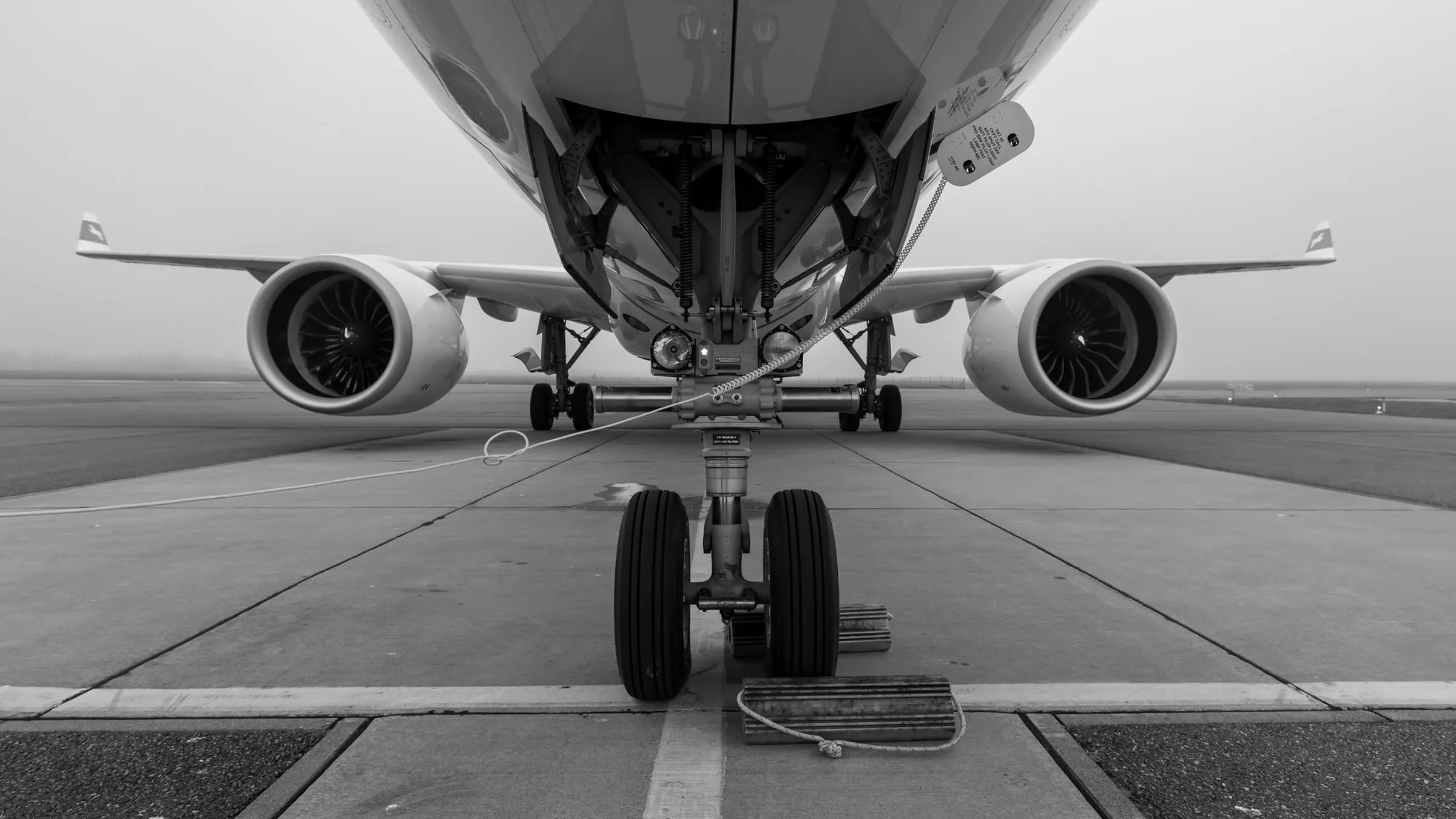
Our own process technology
Aviation capability,built in India.
We design and manufacture aircraft and components, maintain the airports that keep them moving, and train the people who do both.
How we work
Design · Build · Maintain · Train
Engineering first
Programmes begin at the drawing board, not the brochure.
Made to tolerance
Aerospace tolerances, checked at every stage of build.
Safety by default
We measure the rest of the work against it.
Traceable end to end
Every part carries its history, from the material to the person who signed for it.
Long-horizon research
We back projects that return over decades.
Capability, not imports
Every line we stand up is one the country stops buying from abroad.
Four capabilities. One company.
Aircraft and components, the airports that keep them moving, the people trained to look after both, and what happens to an airframe when its service life ends.
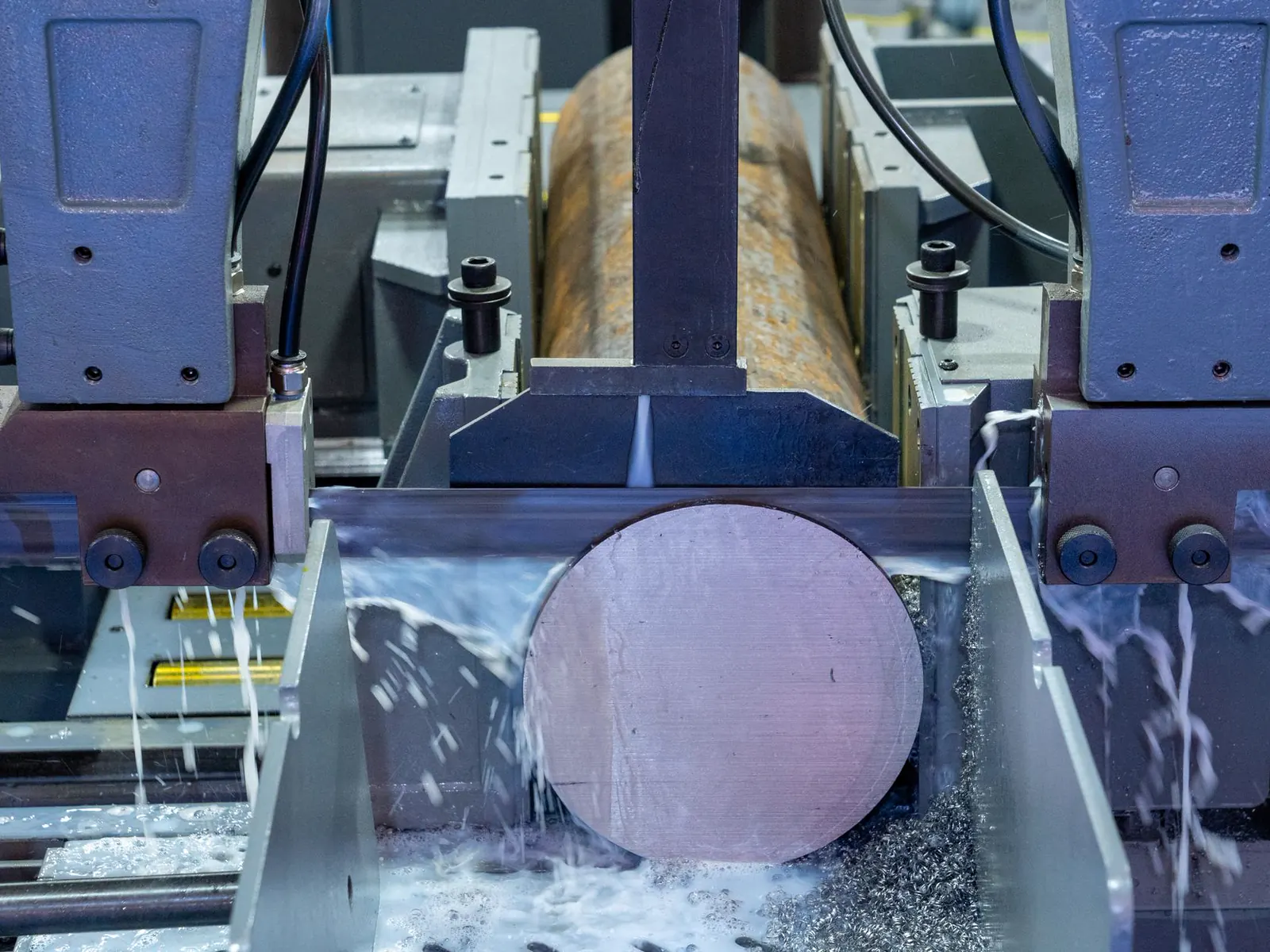
Aircraft Manufacturing
We design, engineer and build aircraft and the precision components that go into them, on manufacturing process technology we developed in India.
- Airframes
- Components
- Engines
- Assembly
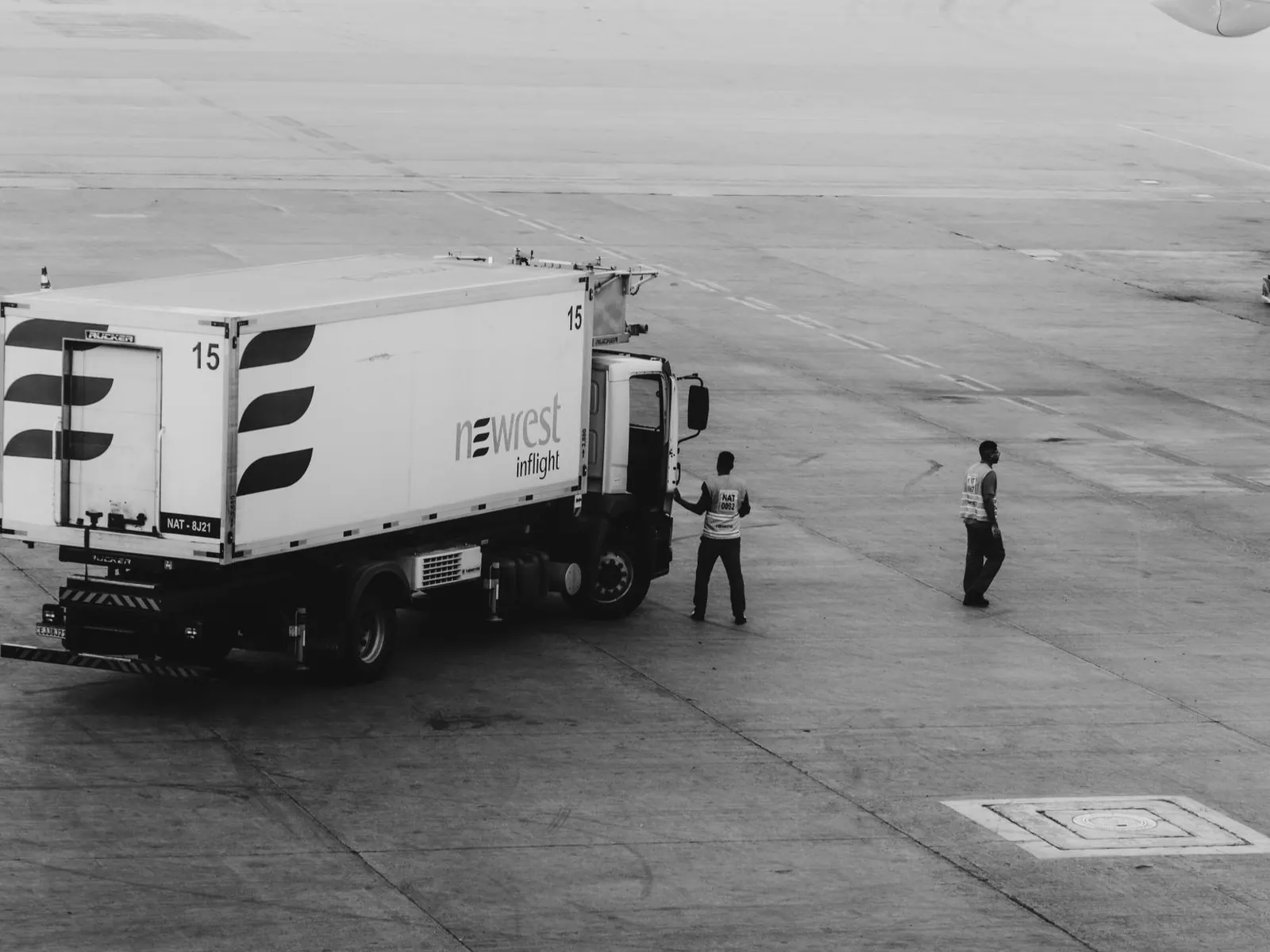
Airport Maintenance
We keep airfields, buildings, utilities and ground equipment running, end to end. An airport does not get to stop while it is repaired, so the work goes around the movements rather than through them.
- Airfield
- Electrical
- Utilities
- Ground equipment
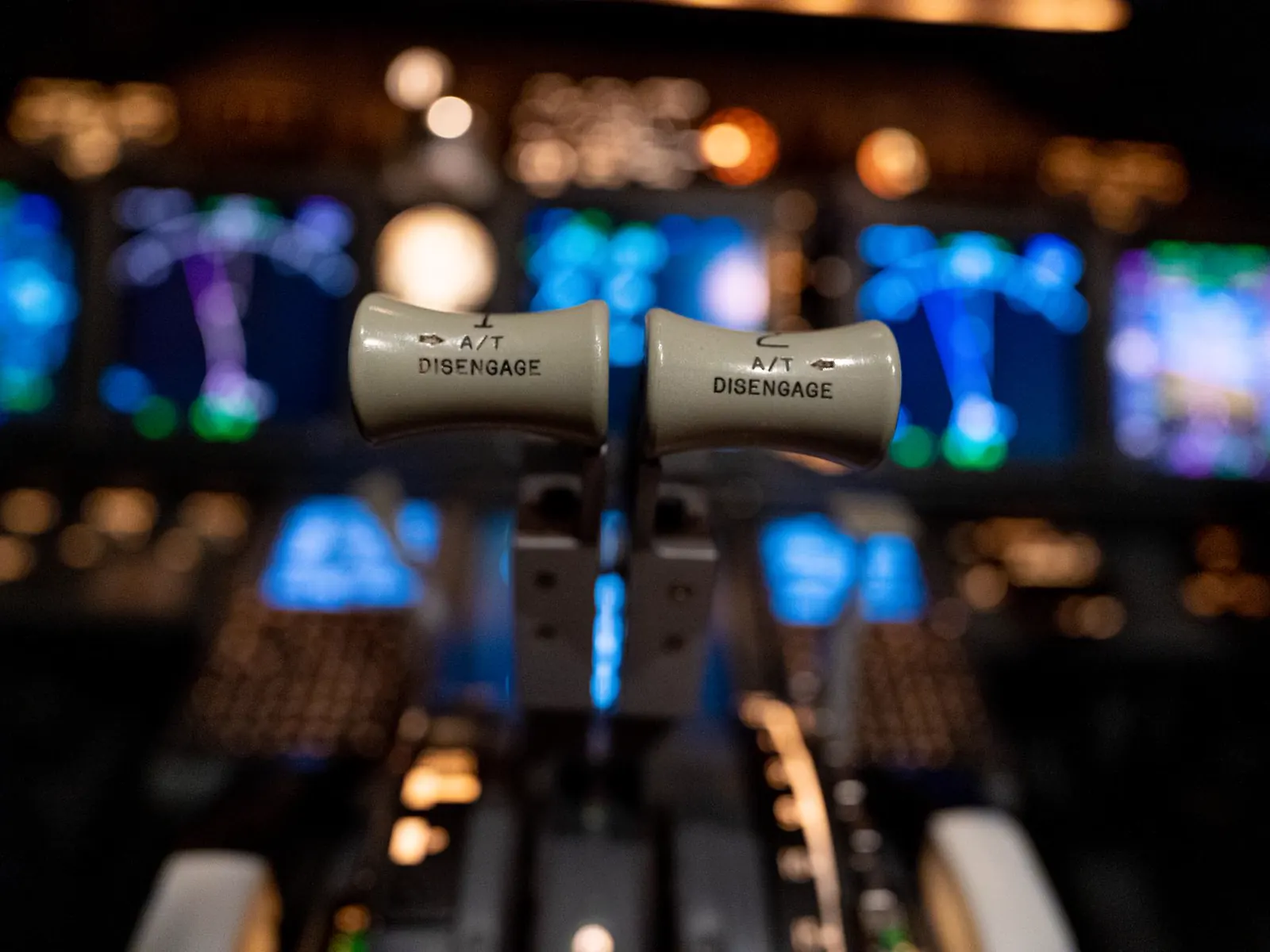
Air Academy
We train and certify people across aviation engineering, maintenance and operations. The person who signs an aircraft back into service has to be taught, and that is the part of this industry India exports least.
- Engineering
- Maintenance
- Operations
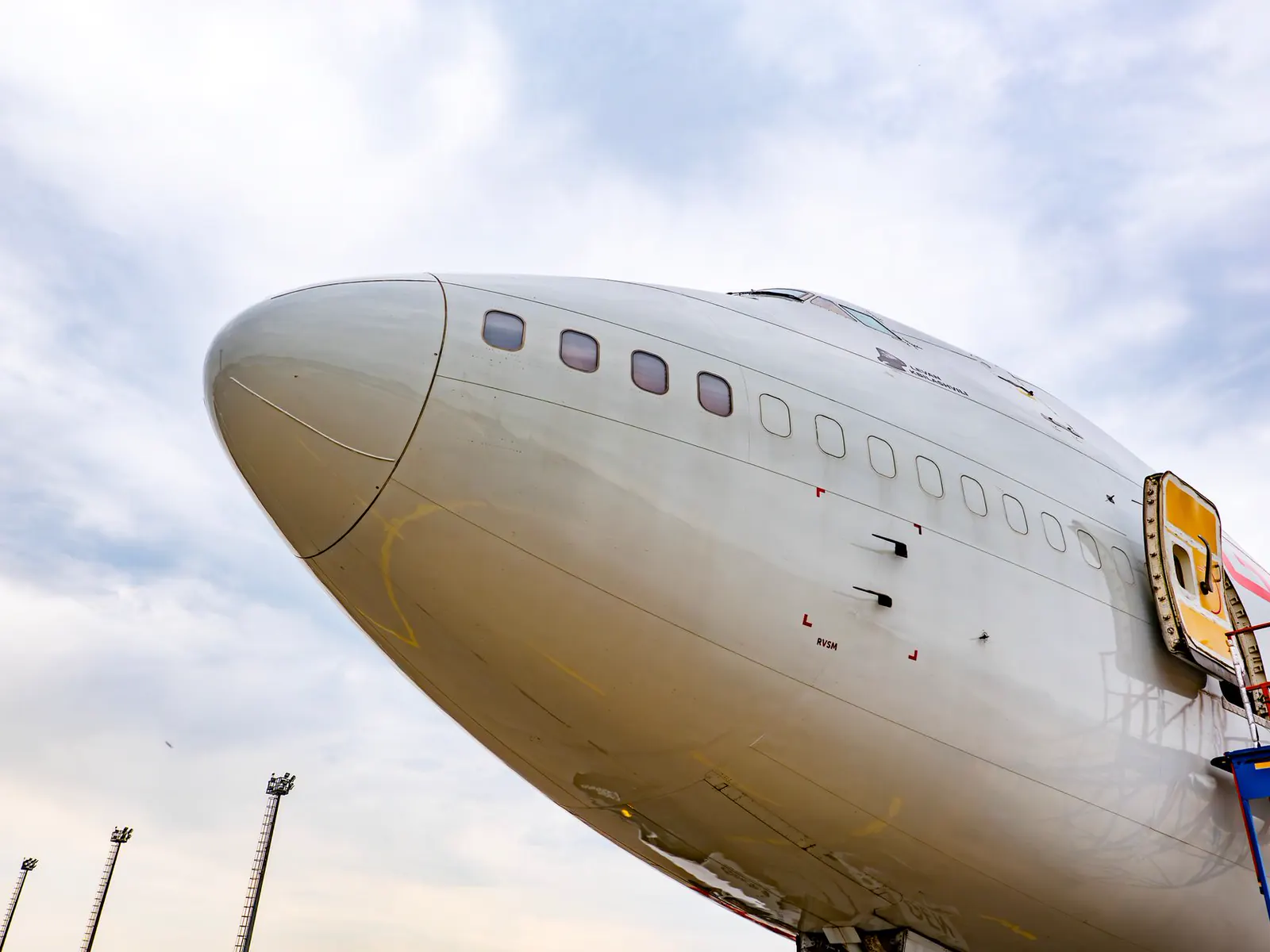
Aircraft Dismantling
When an aircraft retires it is not scrapped, it is taken apart in the order that keeps the value in it. Engines first, then the components worth recovering, then the airframe itself, with every removed part carrying the records that make it inventory rather than metal.
- Records and traceability
- Engine removal
- Component recovery
- Material segregation
Every part has to agree
An engine is the clearest statement of what aerospace work demands. Thousands of components, each made to tolerance, each traceable, each inspected before it goes anywhere near a wing.
It is the same discipline whether the subject is an airframe, an airfield, or the person being trained to sign it off.
- Spinner, machined nose cone
- Fan stage, 26 titanium blades
- Intake lip, formed leading edge
- Nacelle, composite cowling
- Stator ring, 30 outlet guide vanes
- Core, compressor and turbine
- Exhaust nozzle and centre body
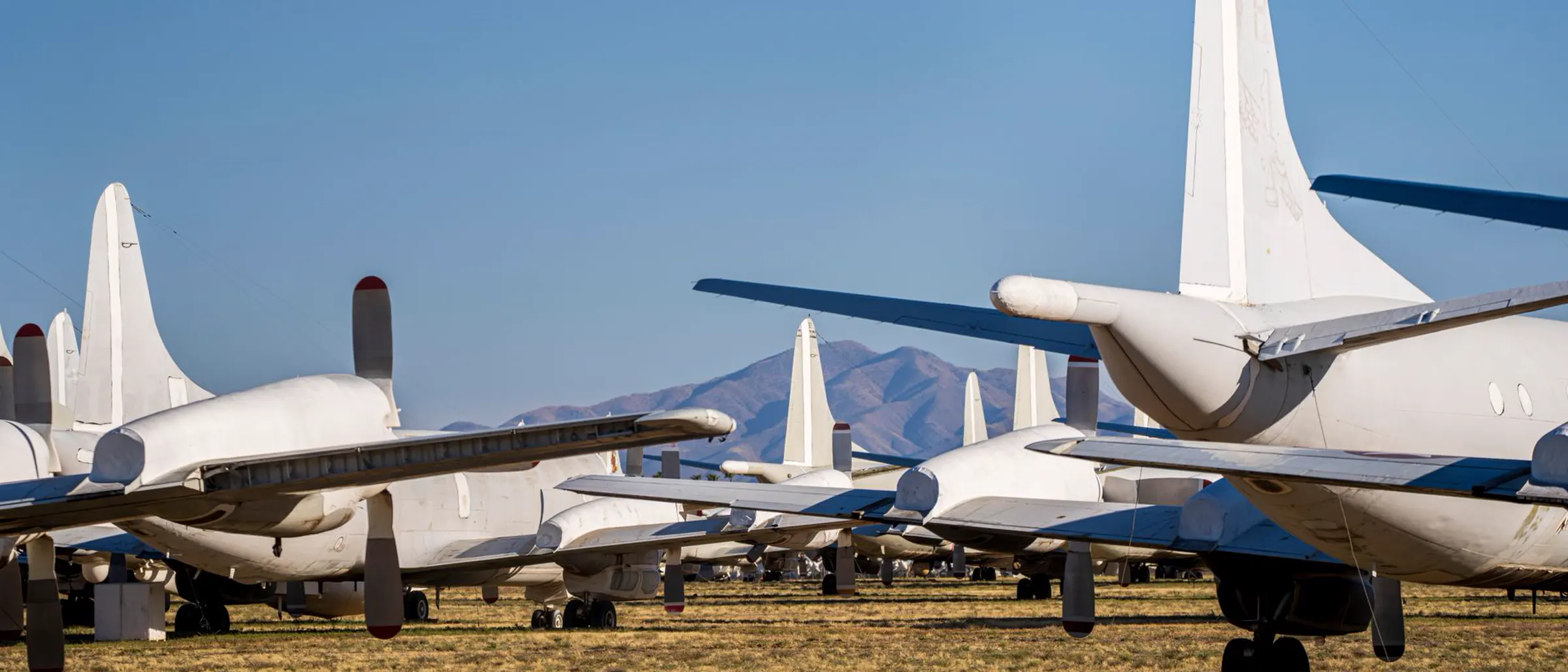
Taking an Aircraft Apart
A retired aircraft is not scrap. It is an inventory of components, most with years of service left, and several tonnes of aluminium and titanium worth recovering properly.
The work runs in a fixed order. Park and inventory the aircraft. Paint out the livery and the registration so a retired airframe can never be mistaken for a working one. Remove the engines, which on a narrowbody carry most of the recoverable value. Then the components, then the structure, with the materials separated by stream.
What decides whether any of it is worth anything is the paperwork. A component with its history is inventory. The same component without it is metal.
Work That Outlives a Product Cycle
Two research programmes run alongside the manufacturing divisions, one in planetary science and one in solar, both committed to 2032.

Project Vinaya
Planetary Research Programme
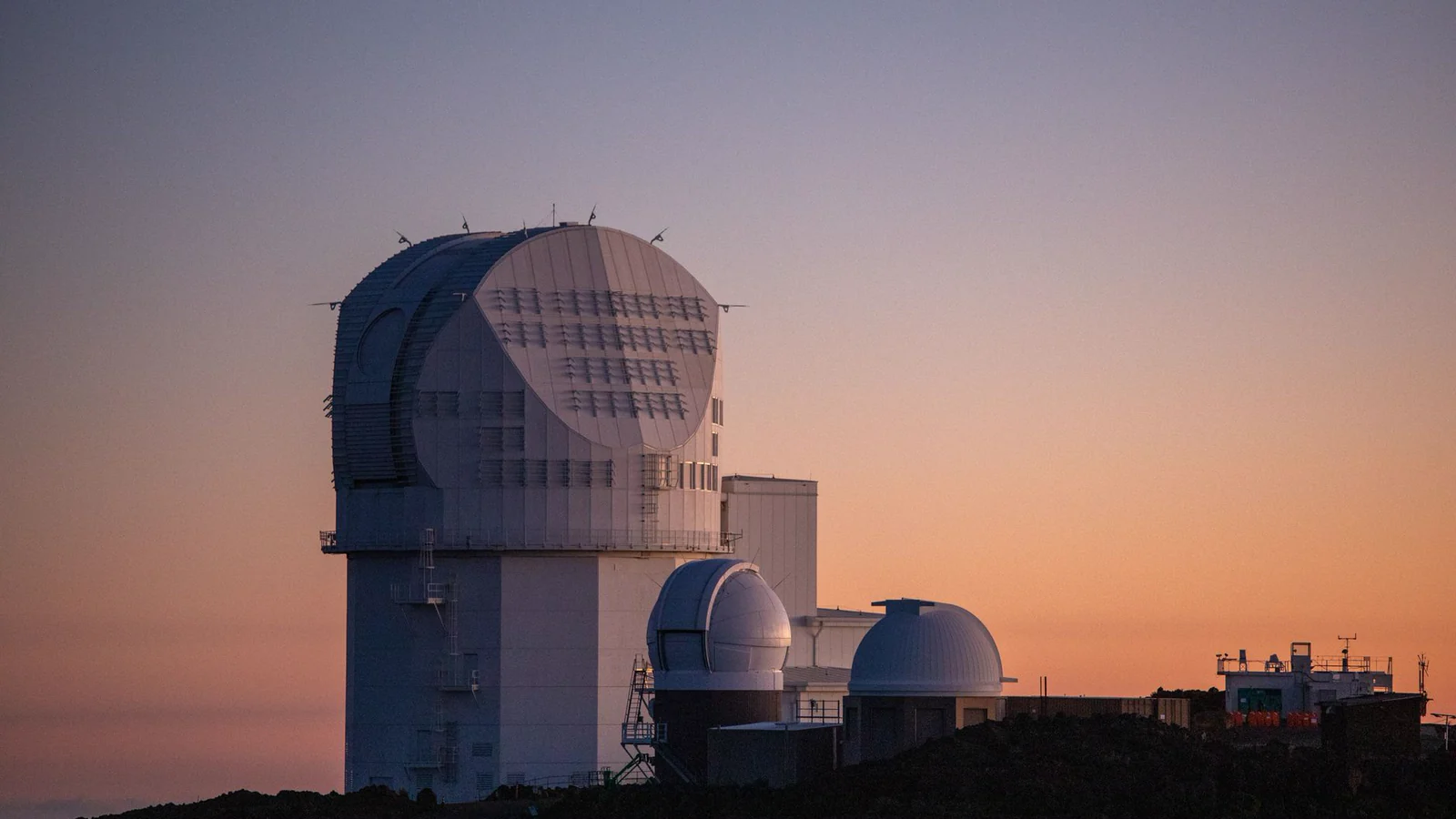
Mission Sunrays
Solar Research Programme
More programmes on the way
Two are funded and running to 2032. We are already building the ones that follow them, and this page grows every time another is approved.
10
We are hiring
Openings across engineering, maintenance, manufacturing and support.
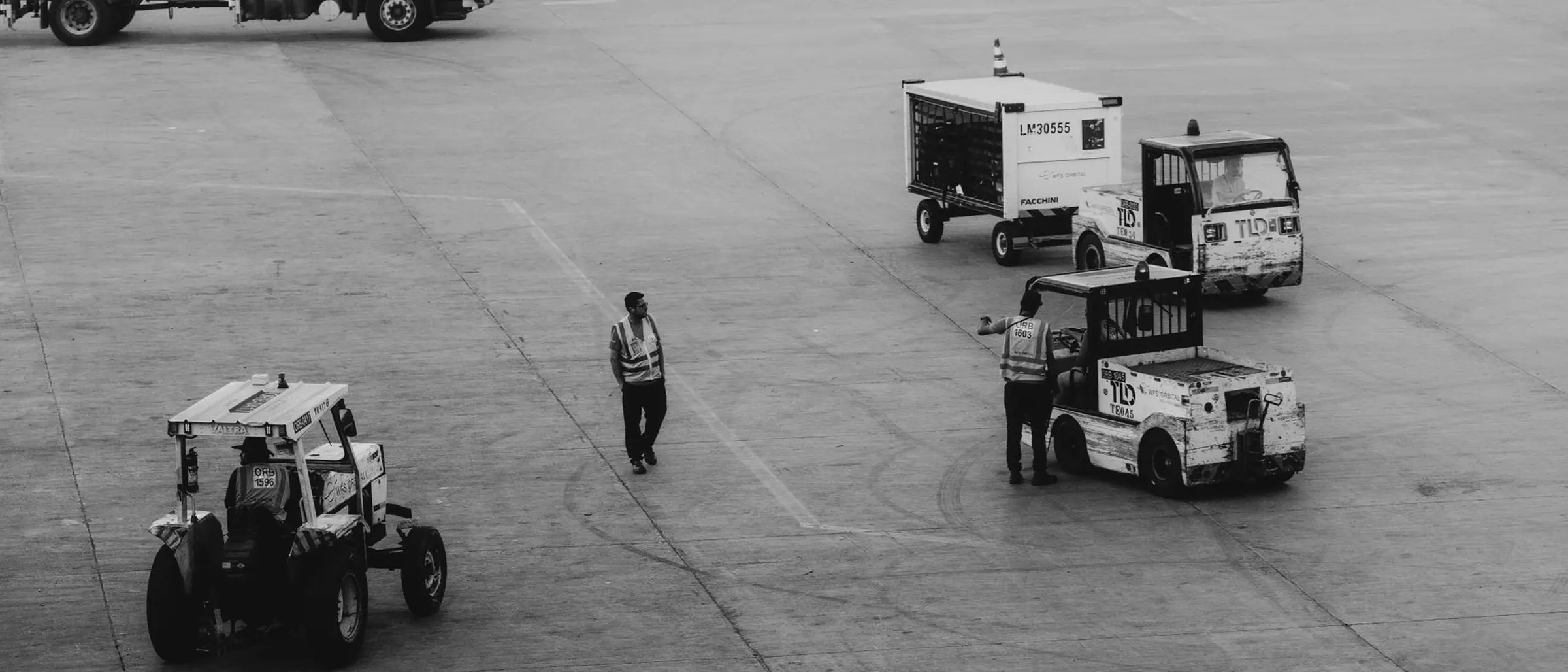
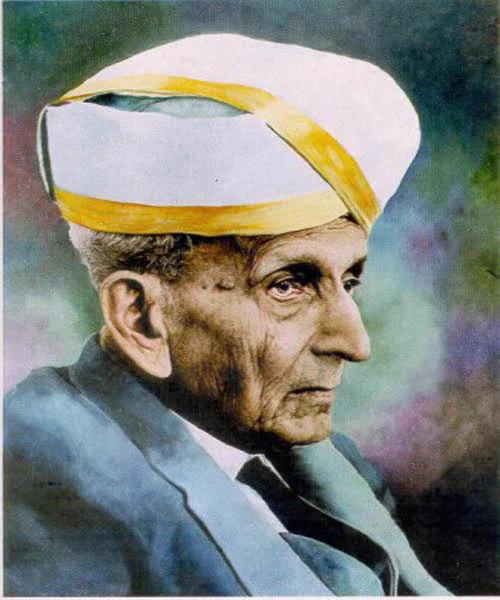
Our inspiration, our guru
Chief Engineer of Mysore, and its Diwan from 1912. He built the Krishna Raja Sagara dam, the Mysore Iron and Steel Works at Bhadravathi, and in 1917 the Government Engineering College in Bangalore. Manufacture at home, maintain what you build, and train the people who will do both. He did all three first, with far less to work with.